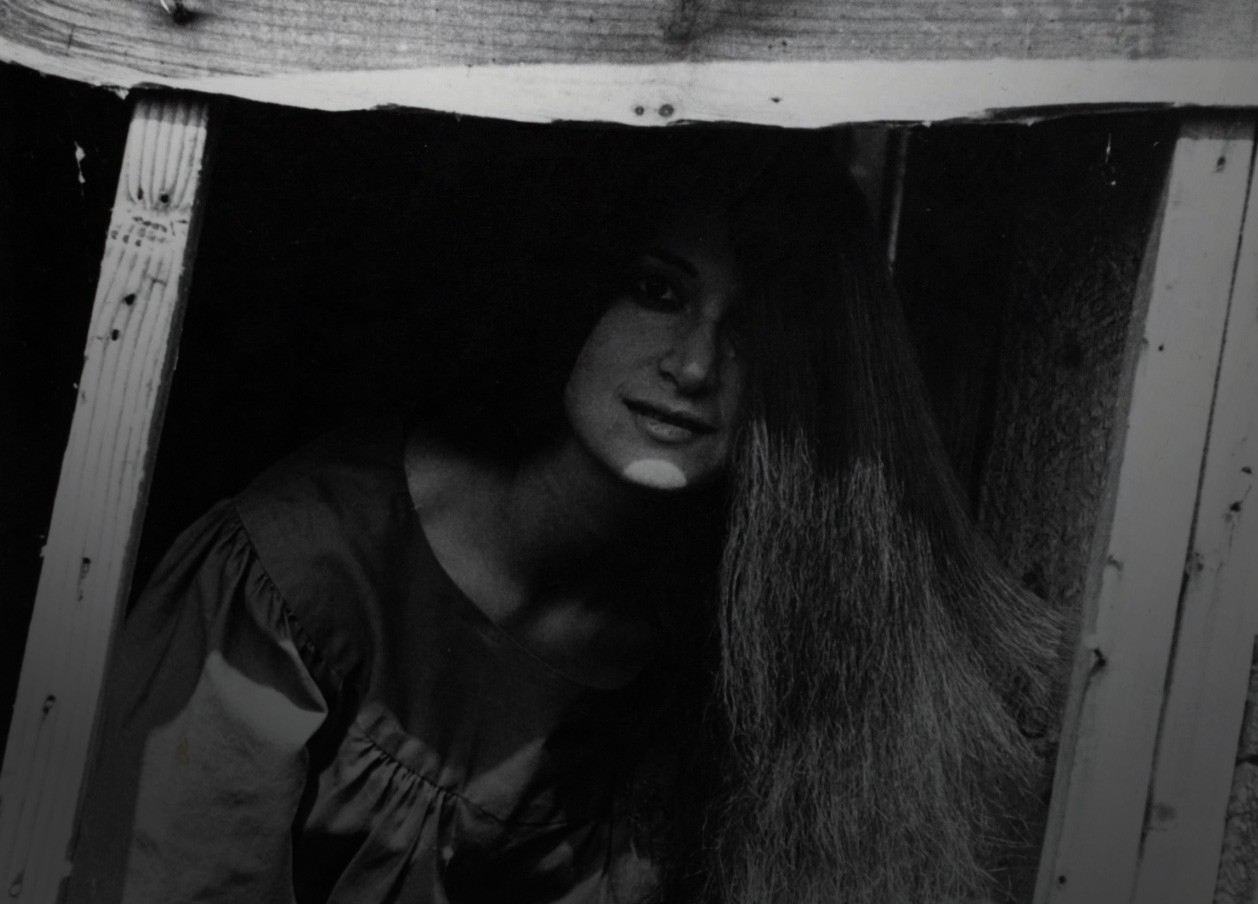
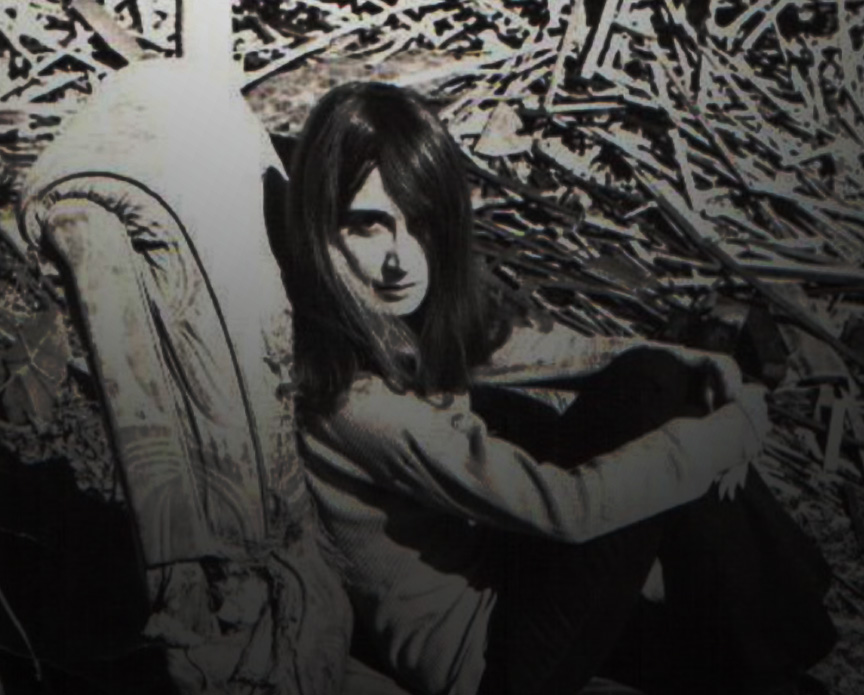
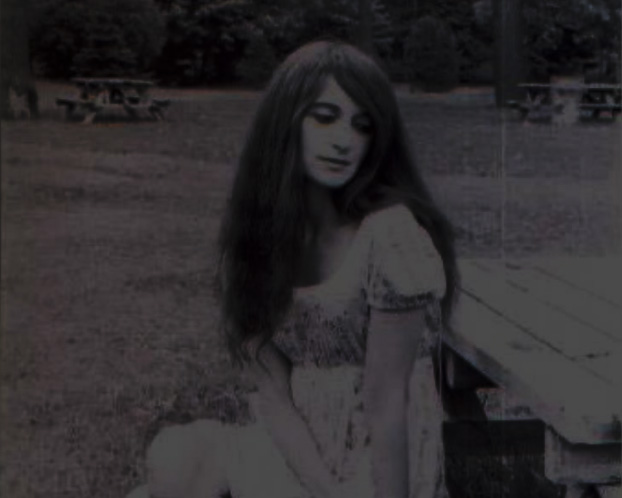
Called the “Queen of the Small Presses” and “a modern Emily Dickinson,” Lyn Lifshin wrote as if it were a biological necessity. Her work moves through love, loss, houses, women’s lives, tango, racehorses, Marilyn, Barbie, and the shadows of history — intimate, relentless, unmistakably her own.
For more than five decades, Lyn Lifshin (1942–2019) published over 130 books and chapbooks — building one of the most prolific careers in contemporary American poetry.
Independent of academia. Fiercely devoted to the small presses. Her books appeared everywhere — “in every damn magazine” across generations.
Ed Sanders called her “a modern Emily Dickinson” — intimate, obsessive, and uncompromisingly herself.
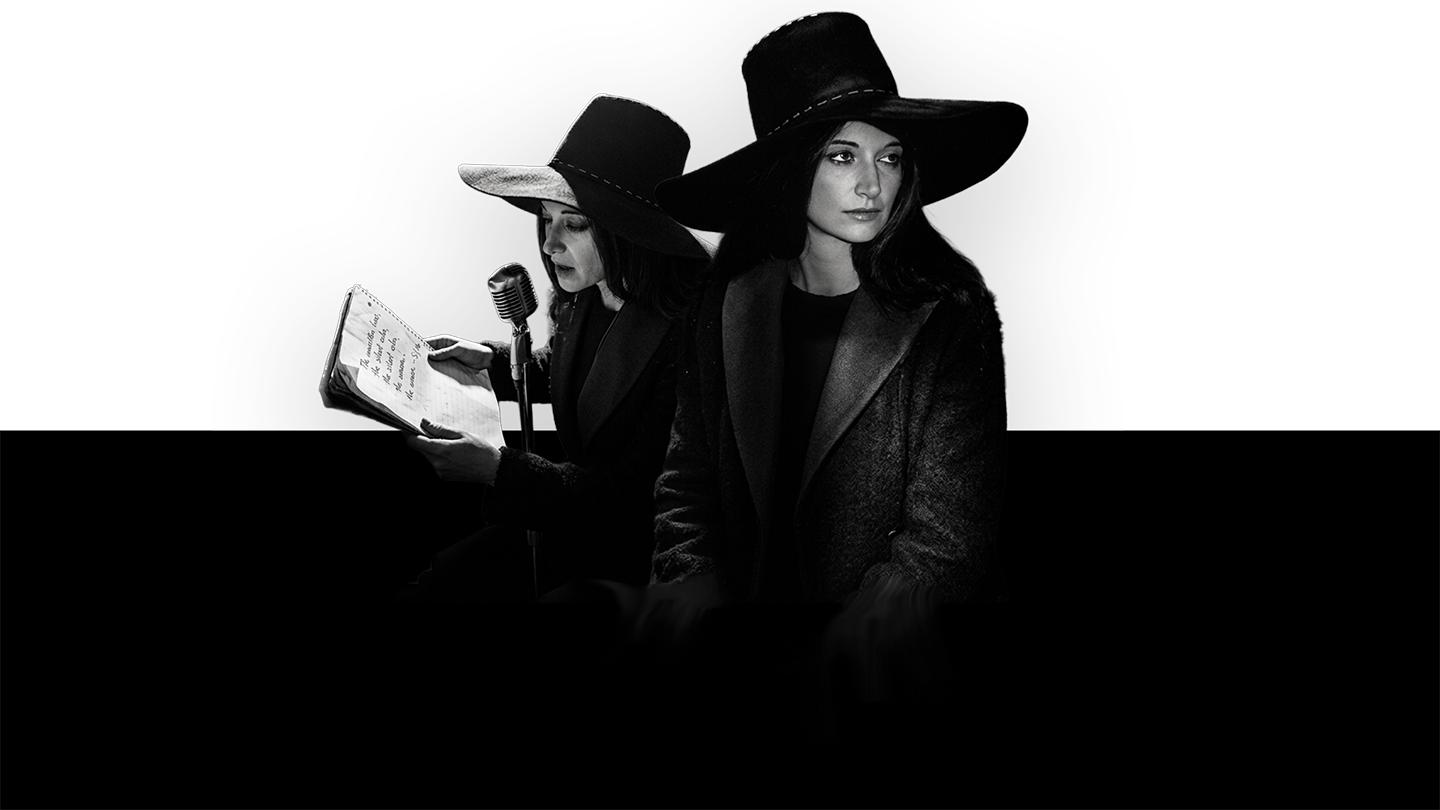
In 1987, her life was captured in the documentary Lyn Lifshin: Not Made of Glass. Her voice filled rooms. Her readings were electric.
Writing, for Lyn, was a biological necessity — not a career. She submitted to over one hundred journals every single year.
New to Lyn Lifshin?
Start here.
With more than 130 titles, it can be hard to know where to begin. These collections are powerful entry points into her world.
01
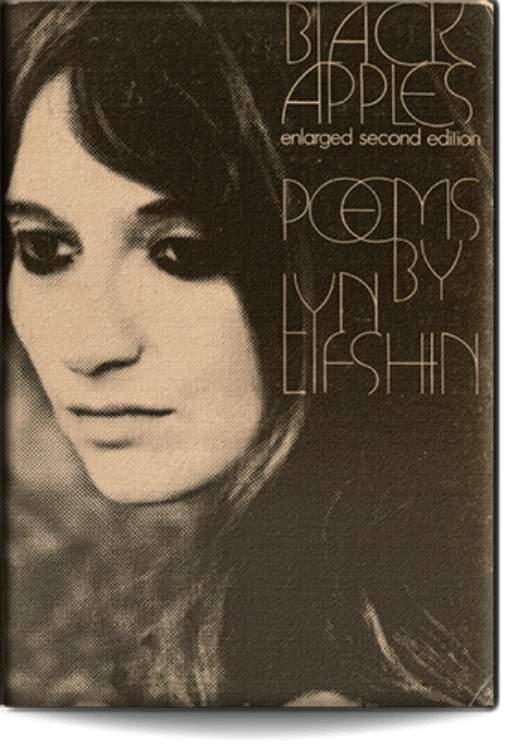
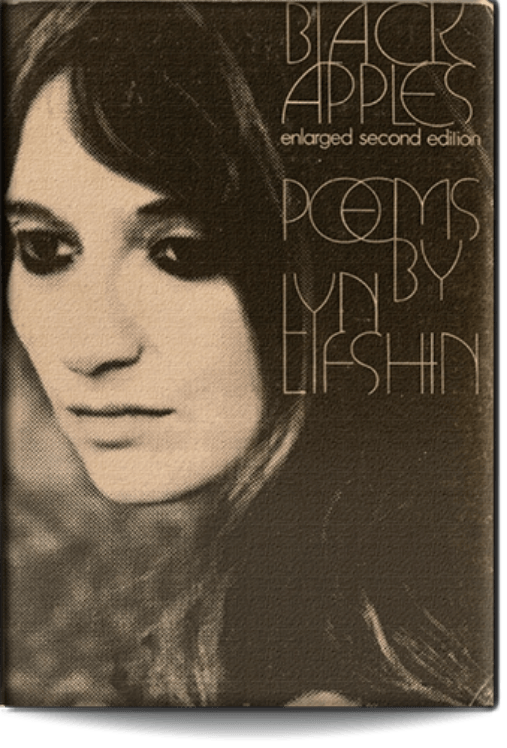
Black Apples 2nd Edition
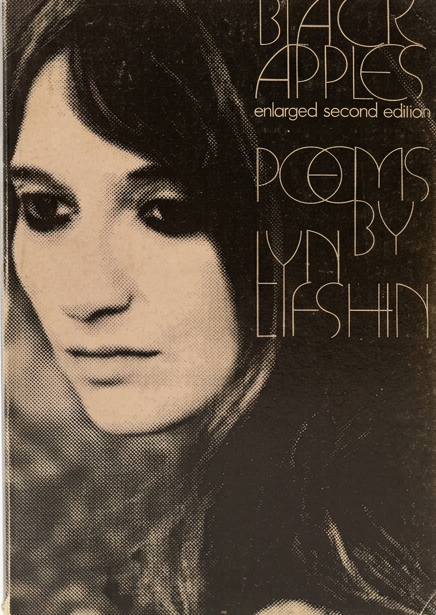
Black Apples/Enlarged Second Edition (1973) represents a pivotal expansion of the work that launched Lyn Lifshin into the national spotlight as the “Queen of the Small Presses.
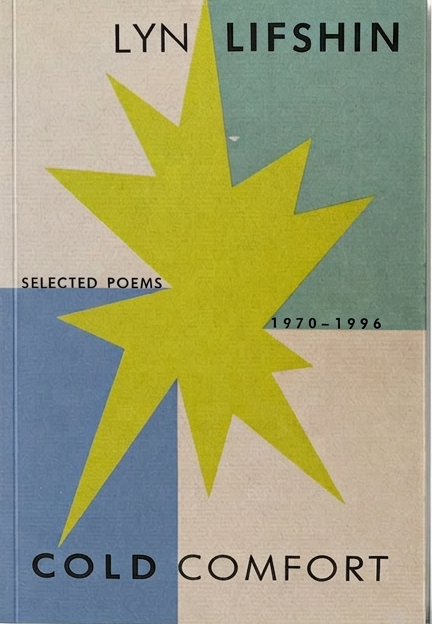
The best of the poet Lyn Lifshin, selected from her work from 1970 through 1996. Lifshin writes with energy, fire, and truth of the common world of experience.
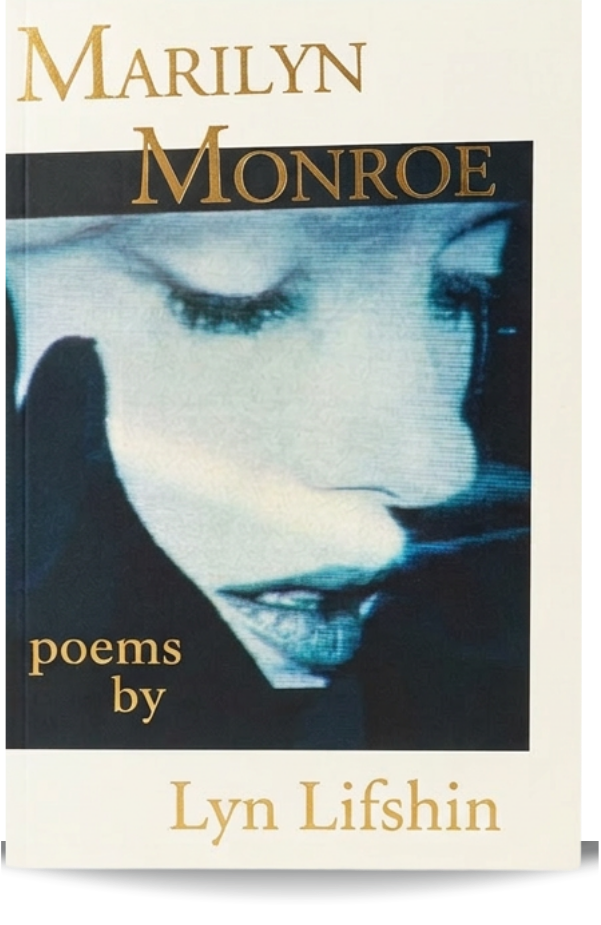
These poems imagine Norma Jean Baker’s inner voice—her thoughts on Hollywood, love, work, memories, hopes, and the sorrows that led to her 1962 overdose.
Lifshin has gathered poems from some of the finest women writers, including Sharon Olds, Adrienne Rich, Alice Walker, Anne Sexton, Sylvia Plath, and Marge Piercy.
The Queen of the Small Presses | A Modern Emily Dickinson
For more than five decades, Lyn Lifshin (1942–2019) wrote with relentless intensity, publishing over 130–150 books and chapbooks while remaining fiercely independent of academia. Called the “Queen of the Small Presses” and described by Ed Sanders as “a modern Emily Dickinson,” Lifshin built one of the most prolific and distinctive careers in contemporary American poetry.
Explore Her Work
Read the Poems
Watch and Listen
Born in 1942 and passing in 2019, Lyn Lifshin carved out a singular place in American poetry. Known as the Queen of the Small Presses and often compared to Emily Dickinson, she published an astonishing 130–150+ books over her lifetime. Beyond her own prolific output, she also edited major anthologies of women’s writing, amplifying voices that might otherwise have gone unheard.
Her career unfolded largely outside academic institutions. While some in the Academy dismissed her independence, Lifshin thrived in the world of small presses and literary journals, building a vibrant ecosystem of her own. Her relentless publication record became both a testament to her devotion and a challenge to traditional literary gatekeeping.
In 1987, her life and work were captured in the documentary Lyn Lifshin: Not Made of Glass, which highlighted her fierce commitment to poetry. For Lifshin, writing was not simply a vocation but a necessity: “I can’t imagine not writing poetry—it’s an obsession… Often… I don’t feel alive unless I’m writing.”
Her poetry was inseparable from her lived experience. Each address she inhabited became part of what she described as a map of “dissolving houses,” where memory, place, and verse intertwined. In this way, her life itself became a continuous poem—an ever-expanding archive of memory, intimacy, and imagination.
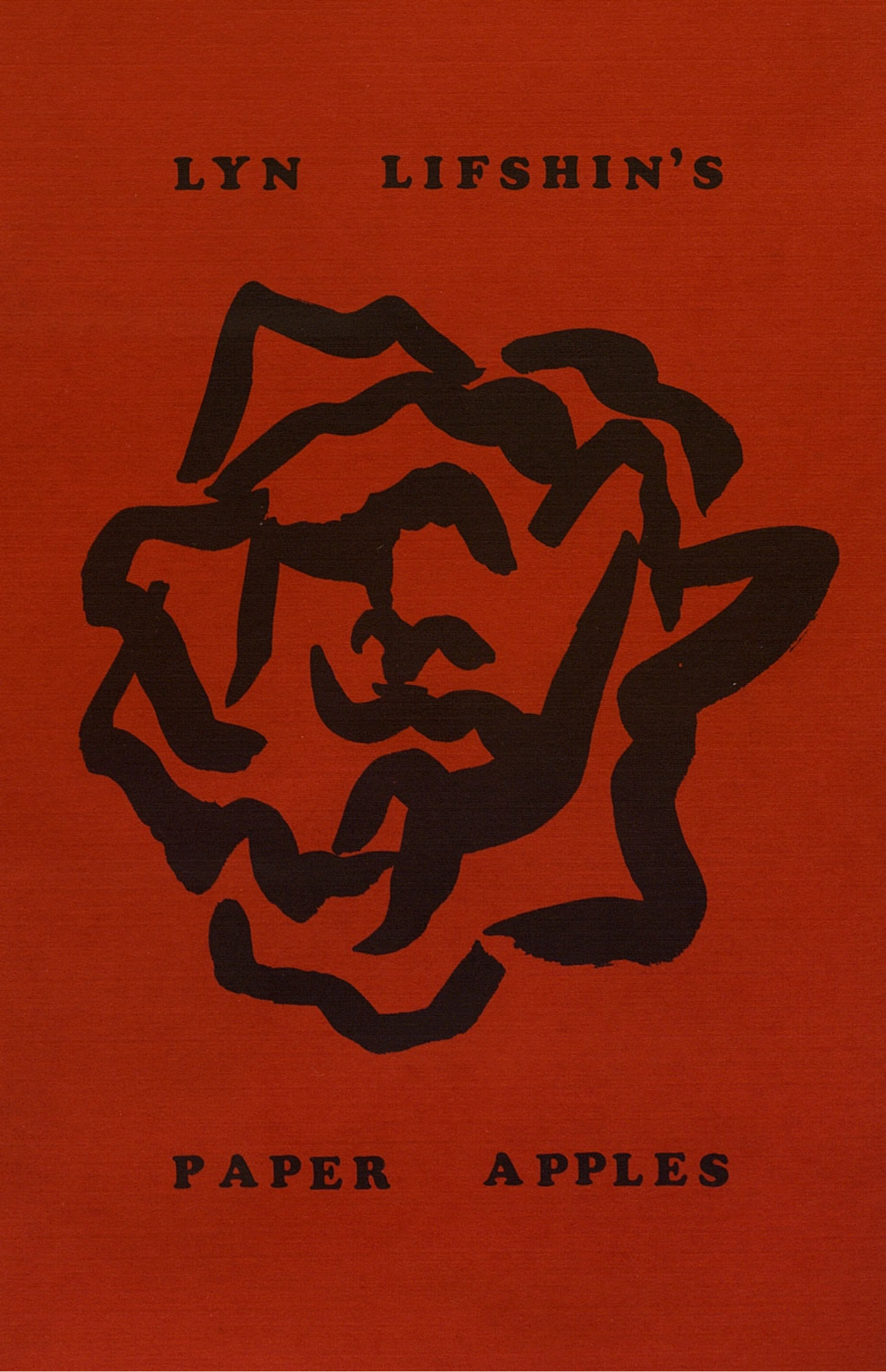
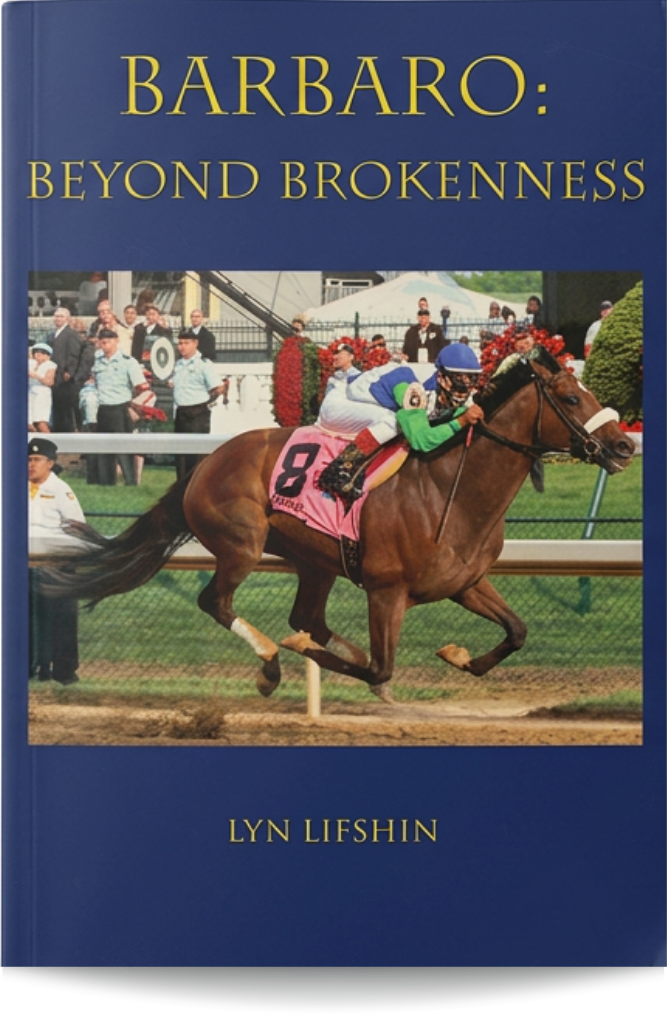
From Paper Apples (1975) to books on Marilyn Monroe, Malala Yousafzai, Degas’ Little Dancer, Hitchcock, tango, Barbie, and racehorses like Ruffian and Barbaro, Lifshin pursued obsessions that became entire poetic worlds.
“The eskimo words for ‘to breathe’ and to make poetry are the same.” — Wednesday, Paper Apples (1975)
Lyn Lifshin
The Queen of the Small Presses | A Modern Emily Dickinson
For more than five decades, Lyn Lifshin (1942–2019) wrote with relentless intensity, publishing over 130–150 books and chapbooks while remaining fiercely independent of academia. Called the “Queen of the Small Presses” and described by Ed Sanders as “a modern Emily Dickinson,” Lifshin built one of the most prolific and distinctive careers in contemporary American poetry.
Explore Her Work
Read the Poems
Watch and Listen
Featured work
Paper Apples (1975)
Breath as Poetry
“The eskimo words for ‘to breathe’ and to make poetry are the same.”
Writing, for Lifshin, was biological necessity.
Small, Hard Paper Apples
“…packed it rolled it tight in wads of paper small hard paper apples.”
Her poems compress hurt into tangible objects—dense, preserved, durable.
Constellations of Memory
Fragments titled “1942” and “1945” map family memory, domestic interiors, and sensory detail. Apples stored in linen boxes. Birthmarks under yellow hair. Coal bins and cats giving birth.
Memory becomes archival. Paper becomes skin—and something more.
visit her social media and keep her voice alive.
Biography
A Life Lived in Poetry
The Map of Dissolving Houses
Lyn Lifshin did not simply write poems—she lived inside them. Her work moved through memory, houses, women’s lives, longing, history, racehorses, icons like Marilyn and Barbie, and the private emotional weather that shaped her imagination. Again and again, she returned to the obsessions that haunted her, building a body of work that was intimate, prolific, and unmistakably her ow
visit her social media and keep her voice alive.
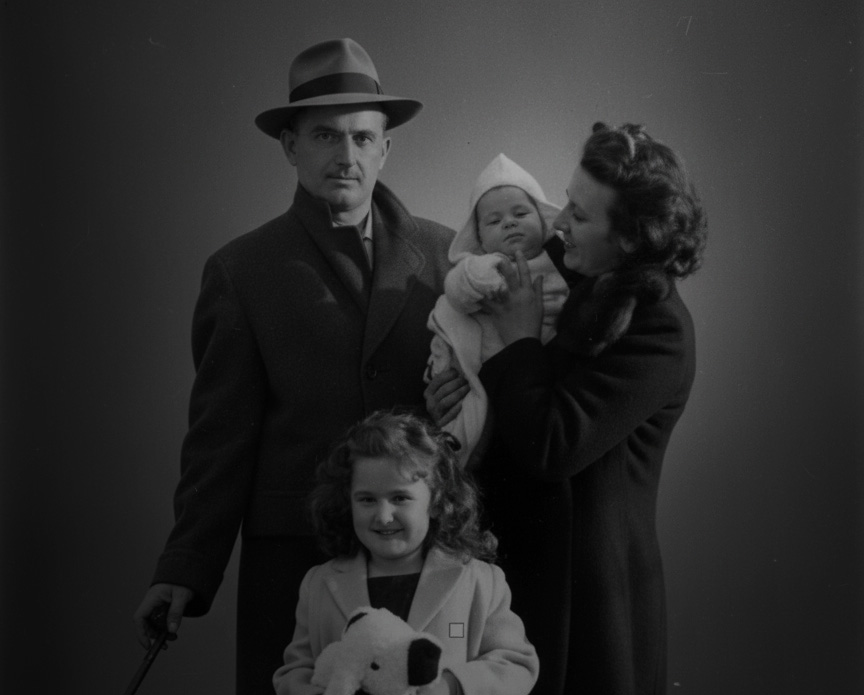
1940s • Barre, VT
23 Hill Street
The outsider childhood as the only Jewish girl in a granite-mining Christian town. Here the seeds of 'otherness' were planted.
1950s • Barre, VT
38 Main Street
The archaeological cleaning after her mother's death. Sorting through the remnants of a complicated family legacy.
1960s-70s • Niskayuna, NY
Appletree Lane
The dark wood house of ghosts and first poetry acceptances. Mother-daughter ambivalence lived here.
1970s • Schenectady, NY
92 Rapple Drive
The beginning of her relentless writing life. First major publications and the discovery of her voice.
Paper Apples
Featured work
Paper Apples (1975)
Breath as Poetry
“The eskimo words for ‘to breathe’ and to make poetry are the same.”
Writing, for Lifshin, was biological necessity.
Small, Hard Paper Apples
“…packed it rolled it tight in wads of paper small hard paper apples.”
Her poems compress hurt into tangible objects—dense, preserved, durable.
Constellations of Memory
Fragments titled “1942” and “1945” map family memory, domestic interiors, and sensory detail. Apples stored in linen boxes. Birthmarks under yellow hair. Coal bins and cats giving birth.
Memory becomes archival. Paper becomes skin—and something more.
visit her social media and keep her voice alive.
Worlds Within Books
Gallery of Obsessions
Lifshin didn’t just write poems—she pursued obsessions until they became full collections.
Often beginning with a request for a single poem, she would become immersed, generating entire volumes.
“I’d get started and become obsessed and kept on.”
Lyn Lifshin didn’t just write books—she pursued obsessions. Each collection was a world she entered with relentless breath, whether tracing the fragile power of racehorses, unraveling the myths of Marilyn and Barbie, or excavating the shadows of history.
Worlds Within Books
Gallery of Obsessions
Lifshin didn’t just write poems—she pursued obsessions until they became full collections.
Often beginning with a request for a single poem, she would become immersed, generating entire volumes.
“I’d get started and become obsessed and kept on.”
She amplified women’s voices while expanding her own.
Lyn Lifshin did not simply write poems—she lived inside them. Her work moved through memory, houses, women’s lives, longing, history, racehorses, icons like Marilyn and Barbie, and the private emotional weather that shaped her imagination. Again and again, she returned to the obsessions that haunted her, building a body of work that was intimate, prolific, and unmistakably her ow
For decades, Lifshin was a defining voice of the independent poetry scene. Her books—often small press chapbooks—circulated widely, appearing “in every damn magazine” across generations.
Today, her legacy continues through:
130+ published titles
Anthologies she edited
Documentary archives
Digital collections preserving her “dissolving houses”
“Her life told through the houses she lived in. Each address a chapter of memory, loss, and poetry.”
CHAPTER THREE
HER LIFE'S WORK
Gallery of Obsessions
130+ titles grouped by the things that haunted her imagination
Lyn Lifshin didn’t just write books—she pursued obsessions. Each collection was a world she entered with relentless breath, whether tracing the fragile power of racehorses, unraveling the myths of Marilyn and Barbie, or excavating the shadows of history.
1987 documentary. Argentine Tango. Live readings. Her body was an instrument. Her voice — a force of nature.
The Manual: "Submit, Submit, Submit"
The Lifshin Discipline
Lyn’s advice to the next generation was simple: “Submit, submit, submit”. She set a personal goal of submitting to one hundred journals every year, breaking it down into weekly targets to keep on track. She taught her students that “details make the lie more believable,” encouraging them to find poetry in the scent of an old dress or the way a head touches a chair.
Learn vital lessons from Lyn Lifshin’s Poet’s Playbook!
Lyn Lifshin’s legacy told through voices, stories, and her own words